The Impact of Solar Panel Recycling on the Circular Economy: Top 10 Insights
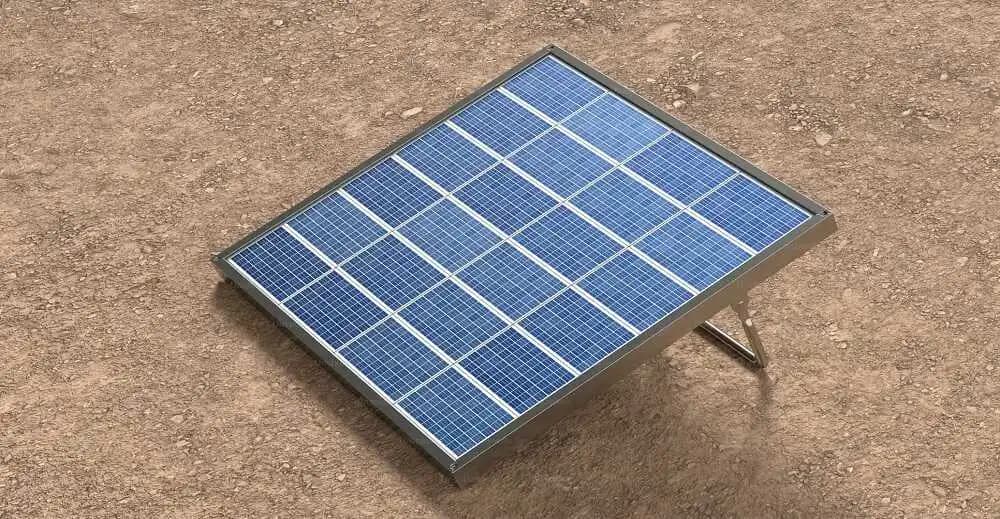
One key step towards a sustainable future is the increasing use of solar power. However, the fact that the number of installations continues to increase comes with challenges, such as managing solar panels that are reaching their end of life. Recycling solar panels would solve this waste problem, thus contributing significantly to a circular economy.
Outlined below are the top 10 insights on how recycling solar panels impacts the circular economy:
Top 10 Changes
 Source: International Energy Agency
4. Financial Gains
The solar panel recycling sector opens up new prospects for employment, develops new recycling technologies, and facilitates the growth of firms dedicated solely to recycled products. Moreover, since recycled substances are cheaper than their fresh equivalents, they enable the reduction of solar panel costs, thereby making them more affordable and eventually prolonging their use.
5. Lengthened Solar Panel Life
In the world of technology, recycler technologies are constantly developing to reclaim used silicon wafers and other reusable or refurbished parts. The increase in lifespan translates into higher value for solar PV systems and their efficiency within a circular economy.
6. Preservation of Environment
Recycling prevents solar panels from being dumped in landfills, thus avoiding improper disposal that would contaminate soils and water bodies. This ensures the safe handling of hazardous materials such as lead and cadmium, ultimately contributing to lower chances of soil and water pollution. In addition, this practice helps promote ecosystem integrity while enhancing overall environmental well-being because any bad effects from wrongful dumps would have otherwise been avoided.
7. Progress in Recycling Technologies
An upsurge in the call to recycle used solar panels has stimulated the creation of advanced recycling technologies. Thermal, mechanical, and chemical methods of material separation and reclamation are examples of new techniques that have emerged within this context. Such improvements increase efficiency and prospects for further implementations in other sectors.
8. Encouragement of Eco-Friendly Production
Back then, the industry started adopting the method of recycling as a way to make their products greener. Aging designs are discarded and replaced with those that consider ways, for example, reusing components when possible, even if they come from different sources or act as input for new products.
9. Adherence to Rules
Various nations are also in the process of implementing regulations that make it mandatory to recycle solar panels. If these rules are followed, manufacturers and users will be responsible for the complete life cycle of the solar panels they create or use. This legal framework provides the need for responsible recycling methods and aligns with other environmental laws.
10. Increased Public Knowledge and Involvement
Recovering solar panel waste has become crucial in the necessity of recycling solar panels as it brings a more pronounced awareness concerning recycling and sustainable actions. Educating consumers and stakeholders through community programs may encourage environmental responsibility. Creating awareness could lead to policies supporting circular economies and increasing participation rates in recycling schemes.
In conclusion, recycling solar panels is an important and intricate factor in the circular economy. It tackles the rising problem of e-waste while promoting energy conservation, rational utilization of resources, economic growth, and environmental protection. As recycling techniques improve and people become more conscious of this issue, solar panel recycling will play an important part in sustainable development and achieving a green future.
Source: International Energy Agency
4. Financial Gains
The solar panel recycling sector opens up new prospects for employment, develops new recycling technologies, and facilitates the growth of firms dedicated solely to recycled products. Moreover, since recycled substances are cheaper than their fresh equivalents, they enable the reduction of solar panel costs, thereby making them more affordable and eventually prolonging their use.
5. Lengthened Solar Panel Life
In the world of technology, recycler technologies are constantly developing to reclaim used silicon wafers and other reusable or refurbished parts. The increase in lifespan translates into higher value for solar PV systems and their efficiency within a circular economy.
6. Preservation of Environment
Recycling prevents solar panels from being dumped in landfills, thus avoiding improper disposal that would contaminate soils and water bodies. This ensures the safe handling of hazardous materials such as lead and cadmium, ultimately contributing to lower chances of soil and water pollution. In addition, this practice helps promote ecosystem integrity while enhancing overall environmental well-being because any bad effects from wrongful dumps would have otherwise been avoided.
7. Progress in Recycling Technologies
An upsurge in the call to recycle used solar panels has stimulated the creation of advanced recycling technologies. Thermal, mechanical, and chemical methods of material separation and reclamation are examples of new techniques that have emerged within this context. Such improvements increase efficiency and prospects for further implementations in other sectors.
8. Encouragement of Eco-Friendly Production
Back then, the industry started adopting the method of recycling as a way to make their products greener. Aging designs are discarded and replaced with those that consider ways, for example, reusing components when possible, even if they come from different sources or act as input for new products.
9. Adherence to Rules
Various nations are also in the process of implementing regulations that make it mandatory to recycle solar panels. If these rules are followed, manufacturers and users will be responsible for the complete life cycle of the solar panels they create or use. This legal framework provides the need for responsible recycling methods and aligns with other environmental laws.
10. Increased Public Knowledge and Involvement
Recovering solar panel waste has become crucial in the necessity of recycling solar panels as it brings a more pronounced awareness concerning recycling and sustainable actions. Educating consumers and stakeholders through community programs may encourage environmental responsibility. Creating awareness could lead to policies supporting circular economies and increasing participation rates in recycling schemes.
In conclusion, recycling solar panels is an important and intricate factor in the circular economy. It tackles the rising problem of e-waste while promoting energy conservation, rational utilization of resources, economic growth, and environmental protection. As recycling techniques improve and people become more conscious of this issue, solar panel recycling will play an important part in sustainable development and achieving a green future.
- E-waste reduction
- Resource recovery
- Energy Conservation
- Financial Gains
- Lengthened Solar Panel Life
- Preservation of the Environment
- Progress in Recycling Technologies
- Encouragement of Eco-Friendly Production
- Adherence to Rules
- Increased Public Knowledge and Involvement
Source: International Energy Agency
4. Financial Gains
The solar panel recycling sector opens up new prospects for employment, develops new recycling technologies, and facilitates the growth of firms dedicated solely to recycled products. Moreover, since recycled substances are cheaper than their fresh equivalents, they enable the reduction of solar panel costs, thereby making them more affordable and eventually prolonging their use.
5. Lengthened Solar Panel Life
In the world of technology, recycler technologies are constantly developing to reclaim used silicon wafers and other reusable or refurbished parts. The increase in lifespan translates into higher value for solar PV systems and their efficiency within a circular economy.
6. Preservation of Environment
Recycling prevents solar panels from being dumped in landfills, thus avoiding improper disposal that would contaminate soils and water bodies. This ensures the safe handling of hazardous materials such as lead and cadmium, ultimately contributing to lower chances of soil and water pollution. In addition, this practice helps promote ecosystem integrity while enhancing overall environmental well-being because any bad effects from wrongful dumps would have otherwise been avoided.
7. Progress in Recycling Technologies
An upsurge in the call to recycle used solar panels has stimulated the creation of advanced recycling technologies. Thermal, mechanical, and chemical methods of material separation and reclamation are examples of new techniques that have emerged within this context. Such improvements increase efficiency and prospects for further implementations in other sectors.
8. Encouragement of Eco-Friendly Production
Back then, the industry started adopting the method of recycling as a way to make their products greener. Aging designs are discarded and replaced with those that consider ways, for example, reusing components when possible, even if they come from different sources or act as input for new products.
9. Adherence to Rules
Various nations are also in the process of implementing regulations that make it mandatory to recycle solar panels. If these rules are followed, manufacturers and users will be responsible for the complete life cycle of the solar panels they create or use. This legal framework provides the need for responsible recycling methods and aligns with other environmental laws.
10. Increased Public Knowledge and Involvement
Recovering solar panel waste has become crucial in the necessity of recycling solar panels as it brings a more pronounced awareness concerning recycling and sustainable actions. Educating consumers and stakeholders through community programs may encourage environmental responsibility. Creating awareness could lead to policies supporting circular economies and increasing participation rates in recycling schemes.
In conclusion, recycling solar panels is an important and intricate factor in the circular economy. It tackles the rising problem of e-waste while promoting energy conservation, rational utilization of resources, economic growth, and environmental protection. As recycling techniques improve and people become more conscious of this issue, solar panel recycling will play an important part in sustainable development and achieving a green future.Get in Touch
Interested in this topic? Contact our analysts for more details.
Latest Thought Articles

Capitalizing on New Drilling Opportunities in the Oil & Gas Sector
Mar 18, 2026
Top OSAT Companies Driving Semiconductor Assembly and Test Services Worldwide
Dec 29, 2025
EV Charging Stations Market Outlook: Smart Charging, Fast Charging, and Regional Expansion
Dec 26, 2025
Future of Corporate Wellness: Global Trends and Regional Outlook
Dec 24, 2025