Press Releases
Access strategic insights, industry indicators, and expert macro reports curated under Press Releases.
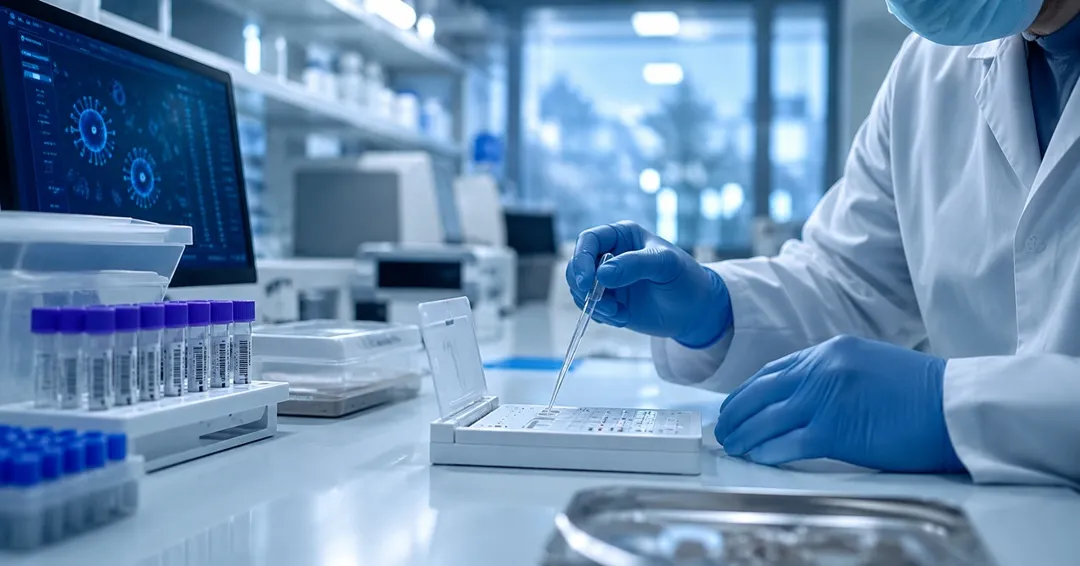
Syndromic Infectious Disease Diagnostics Market is expected to reach USD 3.9 billion by 2031
The market for diagnosing syndromic infectious diseases is growing rapidly, as there are more multiplex molecular assays available that can simultaneously identify many pathogens from a single sample.
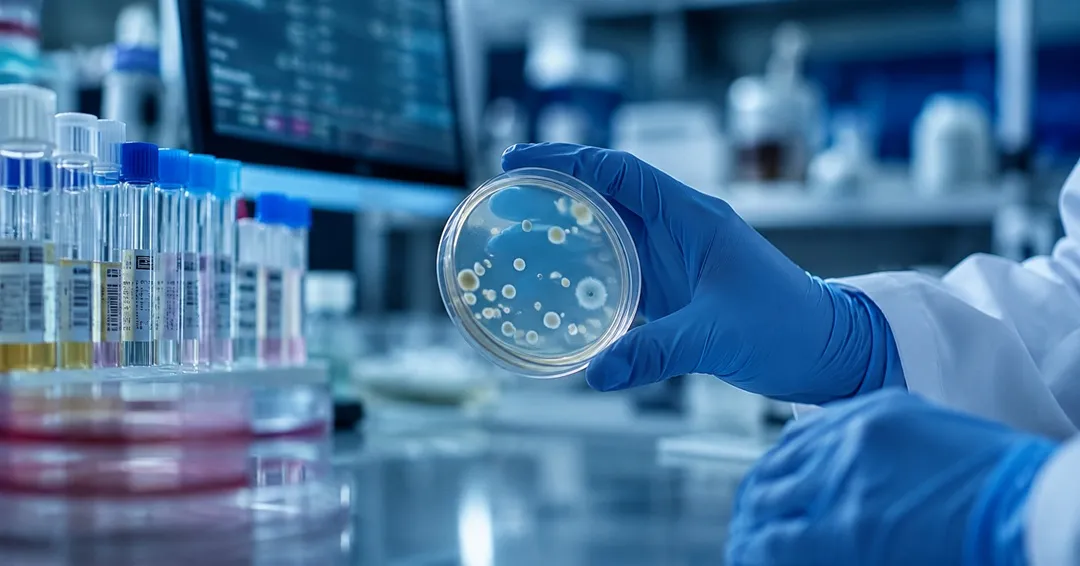
Antimicrobial Resistance Diagnostics Market is expected to reach USD 6.7 billion by 2031
The Antimicrobial Resistance (AMR) Diagnostics Market is expanding quickly because of the growing number of cases of drug-resistant infections and the increasing need for fast and precise diagnostic solutions. Advances in molecular diagnostics, PCR, next-generation sequencing, and point-of-care testing enable healthcare providers to identify resistant pathogens earlier and strengthen antimicrobial stewardship. Governments and healthcare organizations are increasing investments in healthcare infrastructure and AMR control initiatives, while rising hospital-acquired infections continue to accelerate market growth. On the other hand, expensive diagnostics, complicated regulations, and inadequate accessibility in low-resource areas may discourage adoption.
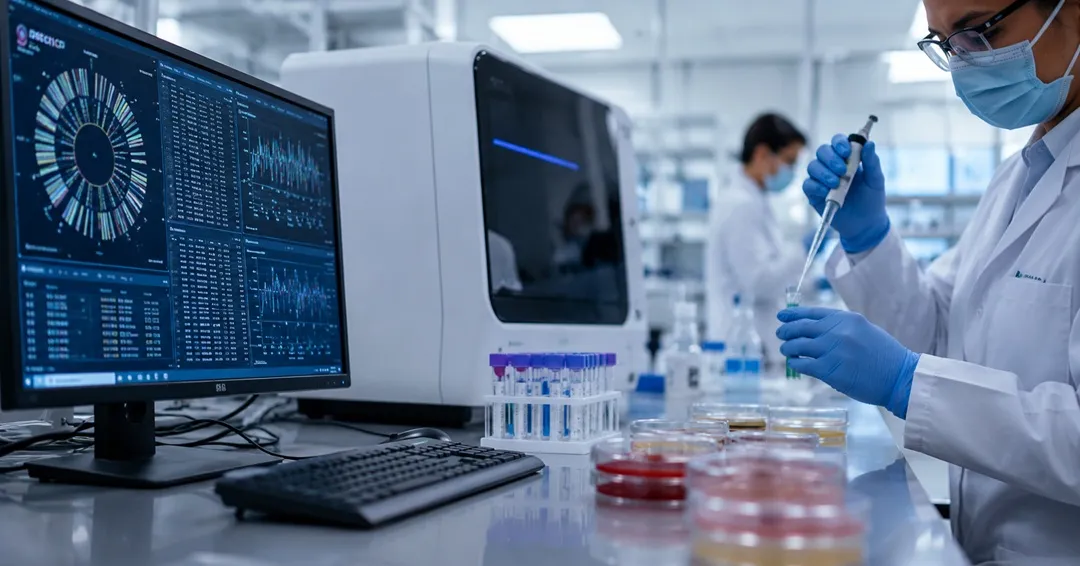
Pathogen Genomics Diagnostics Market is expected to reach USD 11.2 billion by 2031
The pathogen genomics diagnostics market is growing rapidly, as infectious diseases are becoming more prevalent, there is a growing need for fast and precise pathogen identification, and the use of genomic technologies in clinical diagnostics and public health surveillance is increasing. The development of next generation sequencing (NGS), polymerase chain reaction (PCR), whole genome sequencing (NGS) and metagenomic sequencing is allowing for more rapid and precise identification, characterization and monitoring of pathogens. Furthermore, rising attention to investigating outbreaks, screening for antimicrobial resistance, and surveillance for epidemics, sas well as growing investments in precision medicine research and public health infrastructure are driving market growth.

Pandemic Preparedness Diagnostics Market is expected to reach USD 5.5 billion by 2031
The worldwide market for pandemic preparedness diagnostic tools is booming, as national governments across the globe are making the effort to enhance their early detection of worldwide pandemics and to improve upon the lessons of COVID-19 around testing using multiplex and decentralised molecular diagnostic systems to support pandemic preparedness diagnostics. In January 2025, the World Health Organisation (WHO), Food and Agriculture Organisation (FAO), United Nations International Children's Fund (UNICEF) and the World Bank collectively launched an unprecedented multi-country initiative that will invest over 15 million USD for several areas (diagnostic readiness, multisectoral surveillance, and environmental monitoring) in the area of Southeast Asia. The extensive framework created by WHO for pandemic preparedness identifies diagnostics as a centrepiece of the emergency coordination, surveillance, and rapid response capabilities to global emergencies. Currently, due to the increasing investment in molecular testing, surveillance systems that utilize Artificial Intelligence, and multiplex PCR technology, there is a growing demand for scalable pandemic preparedness diagnostics worldwide.
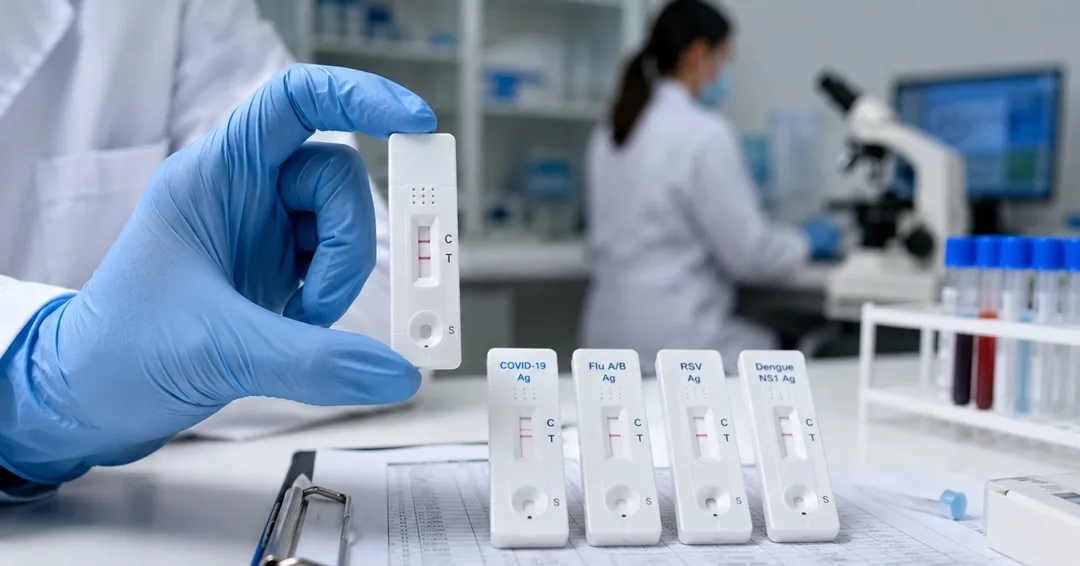
Rapid Infectious Disease Testing Market is anticipated to surpass USD 60.8 billion in 2031 at a CAGR of 6.9%
The rapid infectious disease testing market is growing due to increasing demand for early diagnosis, outbreak control, and point-of-care testing. Rapid test kits and lateral flow assays dominate the market, while respiratory infections remain the leading application. North America leads globally, with Asia Pacific showing strong growth potential driven by healthcare investments.

Living Medicines and Microbial Therapeutics Market is expected to reach USD 2.5 billion by 2031
The market for living medicines and microbial therapeutics is rapidly growing, primarily because healthcare companies are continuously finding more applications of microbiome-based therapies to cure gastrointestinal, metabolic, immune, and infectious diseases. These treatments rely on the use of live microorganisms or genetically modified bacteria to exert a therapeutic effect directly in the human body, thereby providing an innovative alternative to the use of conventional pharmaceuticals. Increased funding for microbiome science, increase in investments in synthetic biology, and a wider range of products in clinical trials contribute to the increase of market size.
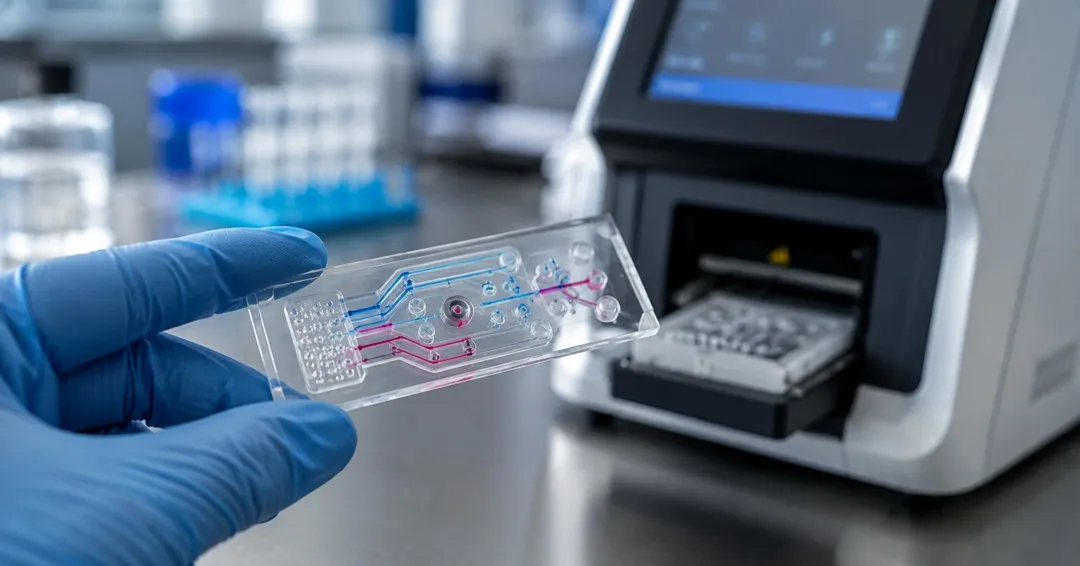
Lab-on-a-chip Diagnostic Systems Market is expected to reach USD 15.1 billion by 2031
The Lab-on-a-Chip Diagnostic Systems Market is growing rapidly as more people want quick, portable, and inexpensive diagnostic solutions in all healthcare environments. By combining various laboratory functions on a single microchip, these systems can deliver quicker results while using fewer samples and maintaining better accuracy. Besides that, ramping up the occurrence of infectious and lifestyle diseases, greater reliance on point-of-care testing, and progress in microfluidics and biosensor technologies are the main reasons for the market growth.

Bioengineered Proteins and Enzymes Market is expected to reach USD 11.5 billion by 2031
The rise in the demand for biological products like biologics, industrial enzymes, and sustainable bioprocessing solutions from the pharmaceutical, food & beverage, agriculture, and biotechnology industries are fueling the growth of these enzymes and proteins as bioengineered products. Proteins and enzymes with high efficiency and specific applications are being developed with ever increasing efficiency, thanks to the recombinant DNA technology, synthetic biology and protein engineering. Moreover, the growing investments for biopharmaceutical production, diversified application area in diagnostics and therapeutics, and the growing use of enzyme-based processes in the industrial sector are further pushing the market forward.

Biopharmaceutical Contract Development and Manufacturing (CDMO) Market is expected to reach USD 32.7 billion by 2031
The biopharmaceutical contract development and manufacturing (CDMO) market is seeing a surging uptake in outsourcing by pharmaceutical and biotechnology companies, the growing number of biopharmaceuticals being developed, and a demand for scalable and cost-efficient manufacturing solutions. The CDMOs offer clients integrated services in drug development, clinical and commercial manufacturing, and packaging, helping them to get to market faster and ensure regulatory compliance. As biologic, biosimilar and advanced therapies become more complex, the need for specialty CDMO partners is increasing at an even more rapid pace.

Synthetic Biology Healthcare Applications Market is expected to reach USD 21.9 billion by 2031
The healthcare applications of synthetic biology are rapidly evolving from exploratory research to regulated therapeutic commercialisation, through 2025-2026 government-backed initiatives in biologics, artificial intelligence (AI)-assisted molecular engineering and programmable cellular therapeutics. In 2025, the U.S. Food and Drug Administration (FDA) received 46 Novel Drug Applications (NDAs) reporting novel biologics and/or advanced therapy, indicating that the regulatory framework for engineered biological platforms is becoming more accepting and systematic over time. In addition, OECD's "2025 Technology Assessment" identified AI and robotics integrated with synthetic biology as one of the most significant drivers of disruptive innovation in healthcare, primarily within the areas of protein engineering, genomic medicine, and automated therapeutic discovery. While these AI-supported research programs are being developed, it should be noted that National Institutes of Health (NIH)-sponsored research is also developing the custom-protein design capabilities for precision therapeutics, immunotherapy optimisation, and next-generation biologics development.
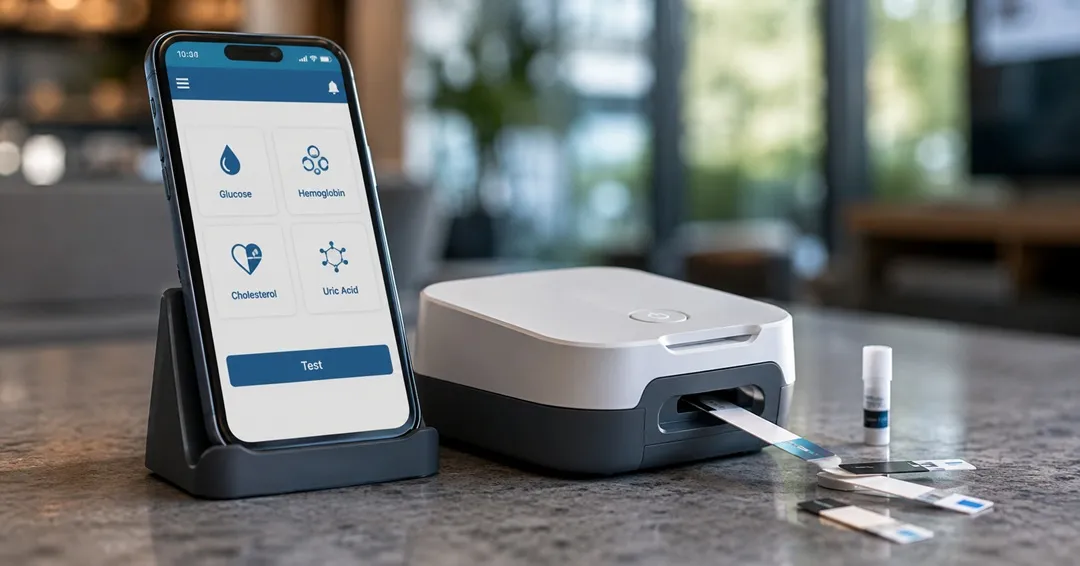
Smartphone-enabled Diagnostic Platforms Market is expected to reach USD 27.9 billion by 2031
The rising adoption of digital health technologies, growing demand for point-of-care testing, and growing use of smartphones in healthcare monitoring and diagnostics are driving the strong growth of the smartphone-enabled diagnostic platforms market. The development of portable, real-time and user-friendly diagnostic solutions is being made possible by the development of biosensors, microfluidics, artificial intelligence (AI) and imaging technologies. Furthermore, rising incidence of chronic diseases, a growing emphasis on remote patient monitoring, and a growing healthcare accessibility in emerging economies are driving market growth.

Home-Based Diagnostic Testing Solutions Market is anticipated to surpass US$ 39.9 billion in 2031 at a CAGR of 9.1%
The home-based diagnostic testing solutions market is expanding rapidly due to rising consumer demand for convenient, affordable healthcare and preventive monitoring. Technological advancements, telehealth integration, and growing chronic disease prevalence are driving adoption. North America leads the market, while Asia Pacific shows strong growth potential supported by digital healthcare expansion and e-commerce accessibility.