Exploring the Top Energy Industry Trends
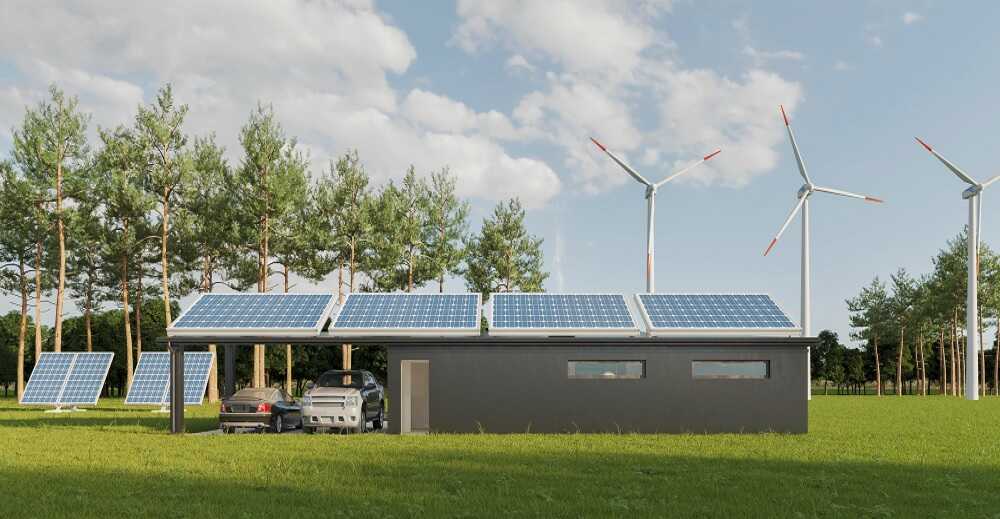
The energy sector encompasses the production, distribution, and utilization of a wide range of energy sources, including nuclear power, renewable energy, and fossil fuels. It is necessary for sparking economies and maintaining global infrastructure. Oil and gas, power generation, renewable energy, and energy storage are important segments of the energy economy. Geopolitical unrest, environmental concerns, and the shift to renewable energy sources are some of the obstacles the business must overcome. Technological developments like smart grid systems and renewable energy technologies are changing the face of industry. In addition, to meet the rising demand for energy worldwide while reducing the effects of climate change, the energy sector is putting more and more emphasis on resilience, sustainability, and efficiency. Join us as we explore the "Top Energy industry trends" in this article that have evolved the industry trends in the energy sector.
Top Energy Industry Trends
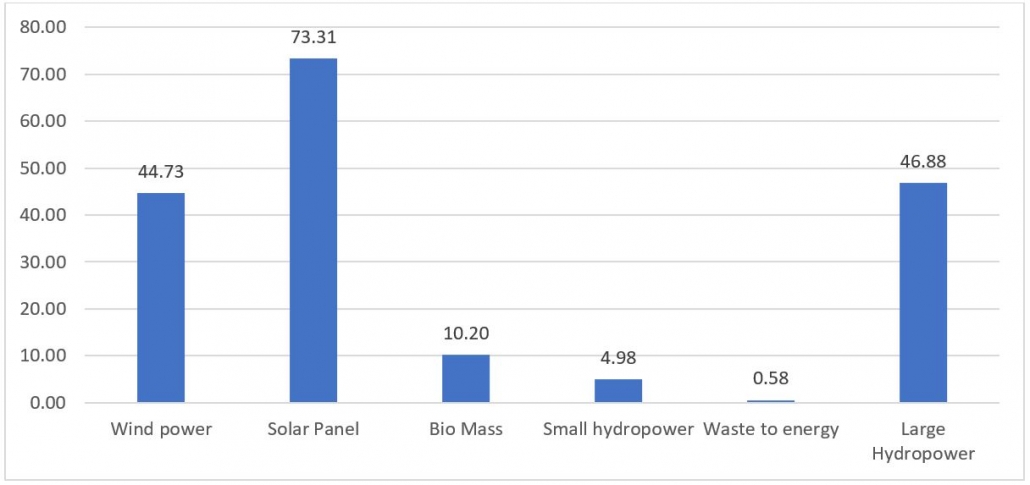 Source: Invest India
2. Internet of Energy (IoE)
The Internet of Energy (IoE) is revolutionizing the energy business and promoting the development of a more flexible, efficient, and sustainable energy environment by combining cutting-edge digital technology with traditional energy infrastructure. The IoE enables smooth coordination and communication between energy generation, delivery, and consumption through networked devices, sensors, and smart grids. The IoE leverages real-time data analytics and predictive algorithms to optimize energy management, improve grid reliability, and enable dynamic demand-response mechanisms. Energy and information technologies are coming together to allow consumers to take an active role in the energy market, boost energy efficiency, and reduce carbon emissions. Furthermore, by facilitating the integration of renewable energy sources like solar power, IoE encourages the shift to a cleaner and more resilient energy future.
The official completion of Chevron Corporation's acquisition of PDC Energy, Inc., took place in August 2023. As part of this deal, Chevron Corporation acquired several assets. These properties are located advantageously next to Chevron's present activities on 275,000 net acres in the Denver-Julesburg (DJ) Basin. The proved reserves contributed by these recently acquired properties total about one billion oil-equivalent barrels. In addition, production now owns 25,000 net acres in the Permian Basin that are part of the deal.
3. Energy Storage
In the current energy landscape, energy storage is essential because it enhances grid stability, makes it possible to integrate renewable energy sources, and meets fluctuating energy demands. Batteries, pumped hydro storage, thermal energy storage devices, and other technological advancements are all included. These systems store excess energy during periods of low demand and release it during periods of high demand, balancing supply and demand dynamics. The heightened scalability, reduced cost, and better efficiency of energy storage technologies have made them indispensable for both decentralized and centralized energy systems. As the world evolves towards a more sustainable energy future, energy storage devices are critical to deliver backup power in an emergency, incorporate intermittent renewable energy sources like solar and wind, and improve grid resilience.
For example, in February 2022, Albania received 14 PVS-100 inverters, a three-phase string solution, from FIMER and Vega Solar. FIMER's PVS-100/120-TL is a cloud-connected three-phase string inverter intended for affordable decentralized solar systems installed on rooftops and the ground.
4. Blockchain
The methods for storing, protecting, and exchanging data in digital settings are completely transformed by blockchain technology. Peer-to-peer transactions are made possible by its distributed and decentralized ledger operation, which eliminates the need for middlemen. Since each transaction is documented in a "block" and connected to the others in a chronological "chain," the data is transparent and unchangeable. Beyond cryptocurrency, supply chain management, identity verification, smart contracts, and decentralized finance (DeFi) are among the uses of blockchain technology. Transparency, security, and traceability are some of its primary advantages that boost efficiency and confidence across a range of businesses. But issues like energy usage, scalability, and regulatory problems still exist. Nevertheless, blockchain is still developing, with new projects and research aimed at resolving these problems and realizing blockchain's full promise to transform sectors and open up new digital ecosystems.
In January 2023, the widespread adoption of blockchain technology by all spheres of society, from huge multinational corporations to casual DeFi aficionados, is crucial to the industry's long-term growth and viability. The news that Ava Labs, the primary creator of the Avalanche blockchain technology, has formally partnered with Amazon Web Services (AWS), a cloud computing platform under the management of e-commerce behemoth Amazon.com, has greatly bolstered this aim. AWS is the biggest supplier of cloud infrastructure globally.
The blockchain market has grown significantly in North America because of its growing usage in several areas, including supply chain, healthcare, banking, and government. A hospitable legislative landscape, a strong technological foundation, and widespread interest and investment in blockchain technology are some of the factors driving this rise. Businesses in the area are using blockchain because of its ability to improve digital transactions' efficiency, security, and transparency. Furthermore, alliances among tech companies, financial institutions, and governmental organizations are quickening the creation and application of blockchain solutions and establishing North America as a primary center for blockchain innovation and application.
5. Energy as a Service (EaaS)
The energy sector is seeing a rise in the practice of providing energy demands as a holistic solution rather than just as a commodity, or energy-as-a-service, or EaaS. It entails the provision of energy services—such as power, lighting, heating, and cooling—through creative business models that put economy, sustainability, and efficiency first. Energy management systems, renewable energy installations, demand response plans, and energy-efficient technology are common components of EaaS solutions. With this strategy, customers may obtain dependable and environmentally friendly energy options without having to pay for new equipment or infrastructure upfront. By outsourcing their energy requirements to specialized service providers, businesses can maximize energy efficiency, minimize operating expenses, and meet their sustainability objectives. Additionally, EaaS models encourage the transition to decentralized energy systems and the incorporation of renewable energy sources.
Reputable cleantech integrator Ameresco, Inc., with an emphasis on energy efficiency and renewable energy, announced today that it has extended its EaaS agreement with Northwestern University. Without needing any up-front funding, the deal will help the university handle its energy-related deferred maintenance challenges while advancing its academic and sustainability goals. As per the agreement, Ameresco will design and implement energy-saving improvements for the 175 buildings on campus and the central plants, in addition to providing ongoing energy monitoring and associated services. Energy efficiency initiatives aimed at these buildings will use state-of-the-art technologies to create more efficient, high-performing building systems, in addition to enhancing the learning environment for students.
Source: Invest India
2. Internet of Energy (IoE)
The Internet of Energy (IoE) is revolutionizing the energy business and promoting the development of a more flexible, efficient, and sustainable energy environment by combining cutting-edge digital technology with traditional energy infrastructure. The IoE enables smooth coordination and communication between energy generation, delivery, and consumption through networked devices, sensors, and smart grids. The IoE leverages real-time data analytics and predictive algorithms to optimize energy management, improve grid reliability, and enable dynamic demand-response mechanisms. Energy and information technologies are coming together to allow consumers to take an active role in the energy market, boost energy efficiency, and reduce carbon emissions. Furthermore, by facilitating the integration of renewable energy sources like solar power, IoE encourages the shift to a cleaner and more resilient energy future.
The official completion of Chevron Corporation's acquisition of PDC Energy, Inc., took place in August 2023. As part of this deal, Chevron Corporation acquired several assets. These properties are located advantageously next to Chevron's present activities on 275,000 net acres in the Denver-Julesburg (DJ) Basin. The proved reserves contributed by these recently acquired properties total about one billion oil-equivalent barrels. In addition, production now owns 25,000 net acres in the Permian Basin that are part of the deal.
3. Energy Storage
In the current energy landscape, energy storage is essential because it enhances grid stability, makes it possible to integrate renewable energy sources, and meets fluctuating energy demands. Batteries, pumped hydro storage, thermal energy storage devices, and other technological advancements are all included. These systems store excess energy during periods of low demand and release it during periods of high demand, balancing supply and demand dynamics. The heightened scalability, reduced cost, and better efficiency of energy storage technologies have made them indispensable for both decentralized and centralized energy systems. As the world evolves towards a more sustainable energy future, energy storage devices are critical to deliver backup power in an emergency, incorporate intermittent renewable energy sources like solar and wind, and improve grid resilience.
For example, in February 2022, Albania received 14 PVS-100 inverters, a three-phase string solution, from FIMER and Vega Solar. FIMER's PVS-100/120-TL is a cloud-connected three-phase string inverter intended for affordable decentralized solar systems installed on rooftops and the ground.
4. Blockchain
The methods for storing, protecting, and exchanging data in digital settings are completely transformed by blockchain technology. Peer-to-peer transactions are made possible by its distributed and decentralized ledger operation, which eliminates the need for middlemen. Since each transaction is documented in a "block" and connected to the others in a chronological "chain," the data is transparent and unchangeable. Beyond cryptocurrency, supply chain management, identity verification, smart contracts, and decentralized finance (DeFi) are among the uses of blockchain technology. Transparency, security, and traceability are some of its primary advantages that boost efficiency and confidence across a range of businesses. But issues like energy usage, scalability, and regulatory problems still exist. Nevertheless, blockchain is still developing, with new projects and research aimed at resolving these problems and realizing blockchain's full promise to transform sectors and open up new digital ecosystems.
In January 2023, the widespread adoption of blockchain technology by all spheres of society, from huge multinational corporations to casual DeFi aficionados, is crucial to the industry's long-term growth and viability. The news that Ava Labs, the primary creator of the Avalanche blockchain technology, has formally partnered with Amazon Web Services (AWS), a cloud computing platform under the management of e-commerce behemoth Amazon.com, has greatly bolstered this aim. AWS is the biggest supplier of cloud infrastructure globally.
The blockchain market has grown significantly in North America because of its growing usage in several areas, including supply chain, healthcare, banking, and government. A hospitable legislative landscape, a strong technological foundation, and widespread interest and investment in blockchain technology are some of the factors driving this rise. Businesses in the area are using blockchain because of its ability to improve digital transactions' efficiency, security, and transparency. Furthermore, alliances among tech companies, financial institutions, and governmental organizations are quickening the creation and application of blockchain solutions and establishing North America as a primary center for blockchain innovation and application.
5. Energy as a Service (EaaS)
The energy sector is seeing a rise in the practice of providing energy demands as a holistic solution rather than just as a commodity, or energy-as-a-service, or EaaS. It entails the provision of energy services—such as power, lighting, heating, and cooling—through creative business models that put economy, sustainability, and efficiency first. Energy management systems, renewable energy installations, demand response plans, and energy-efficient technology are common components of EaaS solutions. With this strategy, customers may obtain dependable and environmentally friendly energy options without having to pay for new equipment or infrastructure upfront. By outsourcing their energy requirements to specialized service providers, businesses can maximize energy efficiency, minimize operating expenses, and meet their sustainability objectives. Additionally, EaaS models encourage the transition to decentralized energy systems and the incorporation of renewable energy sources.
Reputable cleantech integrator Ameresco, Inc., with an emphasis on energy efficiency and renewable energy, announced today that it has extended its EaaS agreement with Northwestern University. Without needing any up-front funding, the deal will help the university handle its energy-related deferred maintenance challenges while advancing its academic and sustainability goals. As per the agreement, Ameresco will design and implement energy-saving improvements for the 175 buildings on campus and the central plants, in addition to providing ongoing energy monitoring and associated services. Energy efficiency initiatives aimed at these buildings will use state-of-the-art technologies to create more efficient, high-performing building systems, in addition to enhancing the learning environment for students.
- Renewable Energy
- Internet of Energy (IoE)
- Energy Storage
- Blockchain
- Energy as a Service (EaaS)
Source: Invest India
2. Internet of Energy (IoE)
The Internet of Energy (IoE) is revolutionizing the energy business and promoting the development of a more flexible, efficient, and sustainable energy environment by combining cutting-edge digital technology with traditional energy infrastructure. The IoE enables smooth coordination and communication between energy generation, delivery, and consumption through networked devices, sensors, and smart grids. The IoE leverages real-time data analytics and predictive algorithms to optimize energy management, improve grid reliability, and enable dynamic demand-response mechanisms. Energy and information technologies are coming together to allow consumers to take an active role in the energy market, boost energy efficiency, and reduce carbon emissions. Furthermore, by facilitating the integration of renewable energy sources like solar power, IoE encourages the shift to a cleaner and more resilient energy future.
The official completion of Chevron Corporation's acquisition of PDC Energy, Inc., took place in August 2023. As part of this deal, Chevron Corporation acquired several assets. These properties are located advantageously next to Chevron's present activities on 275,000 net acres in the Denver-Julesburg (DJ) Basin. The proved reserves contributed by these recently acquired properties total about one billion oil-equivalent barrels. In addition, production now owns 25,000 net acres in the Permian Basin that are part of the deal.
3. Energy Storage
In the current energy landscape, energy storage is essential because it enhances grid stability, makes it possible to integrate renewable energy sources, and meets fluctuating energy demands. Batteries, pumped hydro storage, thermal energy storage devices, and other technological advancements are all included. These systems store excess energy during periods of low demand and release it during periods of high demand, balancing supply and demand dynamics. The heightened scalability, reduced cost, and better efficiency of energy storage technologies have made them indispensable for both decentralized and centralized energy systems. As the world evolves towards a more sustainable energy future, energy storage devices are critical to deliver backup power in an emergency, incorporate intermittent renewable energy sources like solar and wind, and improve grid resilience.
For example, in February 2022, Albania received 14 PVS-100 inverters, a three-phase string solution, from FIMER and Vega Solar. FIMER's PVS-100/120-TL is a cloud-connected three-phase string inverter intended for affordable decentralized solar systems installed on rooftops and the ground.
4. Blockchain
The methods for storing, protecting, and exchanging data in digital settings are completely transformed by blockchain technology. Peer-to-peer transactions are made possible by its distributed and decentralized ledger operation, which eliminates the need for middlemen. Since each transaction is documented in a "block" and connected to the others in a chronological "chain," the data is transparent and unchangeable. Beyond cryptocurrency, supply chain management, identity verification, smart contracts, and decentralized finance (DeFi) are among the uses of blockchain technology. Transparency, security, and traceability are some of its primary advantages that boost efficiency and confidence across a range of businesses. But issues like energy usage, scalability, and regulatory problems still exist. Nevertheless, blockchain is still developing, with new projects and research aimed at resolving these problems and realizing blockchain's full promise to transform sectors and open up new digital ecosystems.
In January 2023, the widespread adoption of blockchain technology by all spheres of society, from huge multinational corporations to casual DeFi aficionados, is crucial to the industry's long-term growth and viability. The news that Ava Labs, the primary creator of the Avalanche blockchain technology, has formally partnered with Amazon Web Services (AWS), a cloud computing platform under the management of e-commerce behemoth Amazon.com, has greatly bolstered this aim. AWS is the biggest supplier of cloud infrastructure globally.
The blockchain market has grown significantly in North America because of its growing usage in several areas, including supply chain, healthcare, banking, and government. A hospitable legislative landscape, a strong technological foundation, and widespread interest and investment in blockchain technology are some of the factors driving this rise. Businesses in the area are using blockchain because of its ability to improve digital transactions' efficiency, security, and transparency. Furthermore, alliances among tech companies, financial institutions, and governmental organizations are quickening the creation and application of blockchain solutions and establishing North America as a primary center for blockchain innovation and application.
5. Energy as a Service (EaaS)
The energy sector is seeing a rise in the practice of providing energy demands as a holistic solution rather than just as a commodity, or energy-as-a-service, or EaaS. It entails the provision of energy services—such as power, lighting, heating, and cooling—through creative business models that put economy, sustainability, and efficiency first. Energy management systems, renewable energy installations, demand response plans, and energy-efficient technology are common components of EaaS solutions. With this strategy, customers may obtain dependable and environmentally friendly energy options without having to pay for new equipment or infrastructure upfront. By outsourcing their energy requirements to specialized service providers, businesses can maximize energy efficiency, minimize operating expenses, and meet their sustainability objectives. Additionally, EaaS models encourage the transition to decentralized energy systems and the incorporation of renewable energy sources.
Reputable cleantech integrator Ameresco, Inc., with an emphasis on energy efficiency and renewable energy, announced today that it has extended its EaaS agreement with Northwestern University. Without needing any up-front funding, the deal will help the university handle its energy-related deferred maintenance challenges while advancing its academic and sustainability goals. As per the agreement, Ameresco will design and implement energy-saving improvements for the 175 buildings on campus and the central plants, in addition to providing ongoing energy monitoring and associated services. Energy efficiency initiatives aimed at these buildings will use state-of-the-art technologies to create more efficient, high-performing building systems, in addition to enhancing the learning environment for students.Get in Touch
Interested in this topic? Contact our analysts for more details.
Latest Thought Articles

Capitalizing on New Drilling Opportunities in the Oil & Gas Sector
Mar 18, 2026
Top OSAT Companies Driving Semiconductor Assembly and Test Services Worldwide
Dec 29, 2025
EV Charging Stations Market Outlook: Smart Charging, Fast Charging, and Regional Expansion
Dec 26, 2025
Future of Corporate Wellness: Global Trends and Regional Outlook
Dec 24, 2025