Increased Cybersecurity to Strengthen Access Control Systems
The Access Control market was valued at US$6.637 billion in 2020 and is expected to grow at a CAGR of 7.52% to reach a market size of US$11.029 billion in 2027.
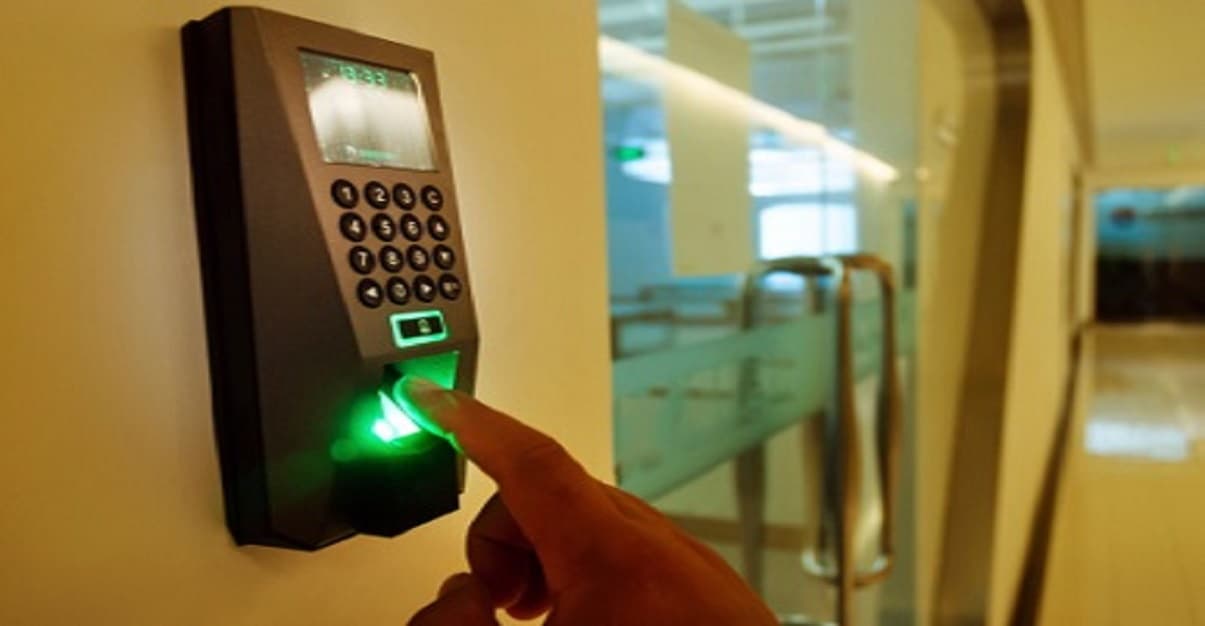
Access control is a method for improving the security of any computing system by preventing unauthorised users from accessing certain resources. Both physical and logical access are included. Physical access control restricts access to physical IT assets, buildings, and campuses, whereas logical access control links with system files, data, and computer networks. The solution offered by access control entails confirming a person's identification using biometrics or access cards and confirming this with any commercial companies to authorise access. Numerous businesses, including commercial, military & defense, government, industrial & manufacturing, transportation, and others, use it extensively. They are divided into three categories: services, software, and hardware, depending on the component.
The market for access control is expanding as people become more inclined to use it as a result of various forms of cost-effective security systems. Additionally, it is anticipated that the preference towards wireless and IoT-based security systems in a variety of applications as well as rising urbanisation will boost the expansion of the access control market in the coming years. The key factors driving the market's expansion are the rising demand for data security and the penetration of cyber threats. The increasing use of electronic gadgets and wireless technology is another factor boosting industry expansion. Additionally, owing to technical advancements, the introduction of blockchain technology, cloud computing, and the internet of things for connected devices all help to impose a favourable picture on the industry. However, the market's expansion may be hampered by a number of restrictions and difficulties. Market constraints are likely to be caused by things like a lack of knowledge about security solutions and their high costs.
The demand for access control systems is being driven by the rise in cyber security and data breach incidents as well as supportive government regulations.
Businesses now find it more challenging to function in an environment susceptible to malware attacks as a result of the advancement of digital technologies. All contemporary businesses must manage employee movement according to pre-established standards in order to safeguard their employees' safety, their physical assets, and their intellectual property. One of the main causes of the rising demand for access control systems is the growing necessity for security in the modern business environment. Data has become a valuable commodity due to the massive volume of digital channels via which it is produced, and hackers are eager to monetize this data in order to make money and engage in fraudulent activities. For instance, in May 2020, the data of 9 million easyJet customers was exposed through a cyberattack. Email addresses and the full credit card information of 2,208 users were among the data exposed during the attack. Owing to the theft of consumer credit card information, Easyjet allegedly violated the General Data Protection Regulation.
Several governments and security agencies are forced to improve security mechanisms in their transactions through the implementation of RFID and biometric technologies as a result of the rising number of cyber and malware attacks. As a result, this is assisting in the market for access control's overall expansion. This, along with increased regulations like GDPR (The General Data Protection Regulation) and the tightening of laws relating to data breaches in European nations, is further providing the required momentum for the expansion of the access control market because such occurrences result in enormous financial losses for businesses. These factors are expected to provide an impetus to the market's growth.
Key market developments
Increased partnerships and collaborations, government projects, expansion activities, mergers and acquisitions, research and development, and market investments, will thereby increase the demand for access control systems. For instance,
- October 2021: At the secretariat in Thiruvananthapuram, a security system using an "access control system" that limits and tracks staff and visitor mobility is planned to be implemented. With Kochi Metro Rail Limited's technical help, Keltron will carry out the project. The new access control system will be connected to the biometric attendance system, which contains information about the current personnel. The project is anticipated to cost Rs 1,95,40,633 crore. Additionally, 30% of the cost has been allocated to Keltron in advance. The Public Administration Department is in charge of the project.
- January 2022: Access Control Systems (ACS) announced the acquisition of Access Control Technologies (ACT). According to the report, ACT is Central Florida's top installer of automated gate systems. In the automated gate sector, ACT has accumulated knowledge and experience spanning more than a century. Access control systems, such as high-end residential and commercial automated gate systems, are distributed, integrated, and installed by ACS. The combined resources can help ACT expand its market and add new core competencies, which will expedite the company's growth.
- October 2022: Brivo, the top supplier of cloud-based access control and smart infrastructure technologies, and Mindbody, the top experience technology platform for the wellness sector, have partnered to improve security for wellness businesses. Through the collaboration, studios and owners using the Mindbody platform will have access to Brivo Access, which uses Brivo's patented cloud-based access control to safeguard their company, assets, and members. The solution enables automatic member information sync from Mindbody to Brivo Access and makes it simple to collect statistics on membership traffic, occupancy, and trends to aid in operational optimization.
- July 2021: To capture the rapidly expanding biometric access control market, IDEMIA, the pioneer of augmented identity, announced a global partnership with Bosch Building Technologies, a leader in the security industry. Bosch has incorporated Idemia's selection of biometric devices into the Bosch Building Integration System (BIS)to add a biometric layer. In addition to the connectivity with BIS, Bosch added Idemia's premier contactless biometric terminals to its access control lineup.
The Asia-Pacific region is expected to hold a significant share of the market in the coming years.
The market is expected to grow at a strong CAGR in the Asia-Pacific region, which currently holds a significant portion of the market. The tertiary sector is expanding in the area as a result of rising urbanisation and globalisation, which has also caused the IT sector to rise in many nations, including India. The demand for access control solutions has increased over the past few years as more regional operations and offices of multinational IT products and services firms have been established. This has accelerated the expansion of the access control market.
Access Control Market Scope:
| Report Metric | Details |
| Market Size Value in 2020 | US$6.637 billion |
| Market Size Value in 2027 | US$11.029 billion |
| Growth Rate | CAGR of 7.52% from 2020 to 2027 |
| Base Year | 2020 |
| Forecast Period | 2022–2027 |
| Forecast Unit (Value) | USD Billion |
| Segments Covered | Product, Service, Deployment, End User Industry, And Geography |
| Regions Covered | North America, South America, Europe, Middle East and Africa, Asia Pacific |
| Companies Covered | Vanderbilt Industries, Gemalto NV, Honeywell International Inc, IDEMIA, Matrix Comsec Pvt. Ltd., Brady Corporation, Tyco International, Protection One, a division of ADT LLC, NEC Corporation, Siemens, Hangzhou Hikvision Digital Technology Co., Ltd., HID Global Corporation, an ASSA ABLOY Group |
| Customization Scope | Free report customization with purchase |
Get in Touch
Interested in this topic? Contact our analysts for more details.
Latest Blogs

Solar Control Window Films Market expected to reach USD 1,224.951 million by 2030
Recently
Top Companies Leading the Silicon-Based Capacitor Revolution
Recently
The Role of Chemical Blowing Agents in Sustainable Foaming Solutions
Recently
Top 10 Emerging Beverages Set to Dominate the Market in the Coming Years
Recently